Case planning
Full-Arch Digital Case Submission: A Lab Handoff Checklist
Prepare an actionable All-on-X lab prescription with clear records, implant components, tissue scans, design approvals and case coordination.
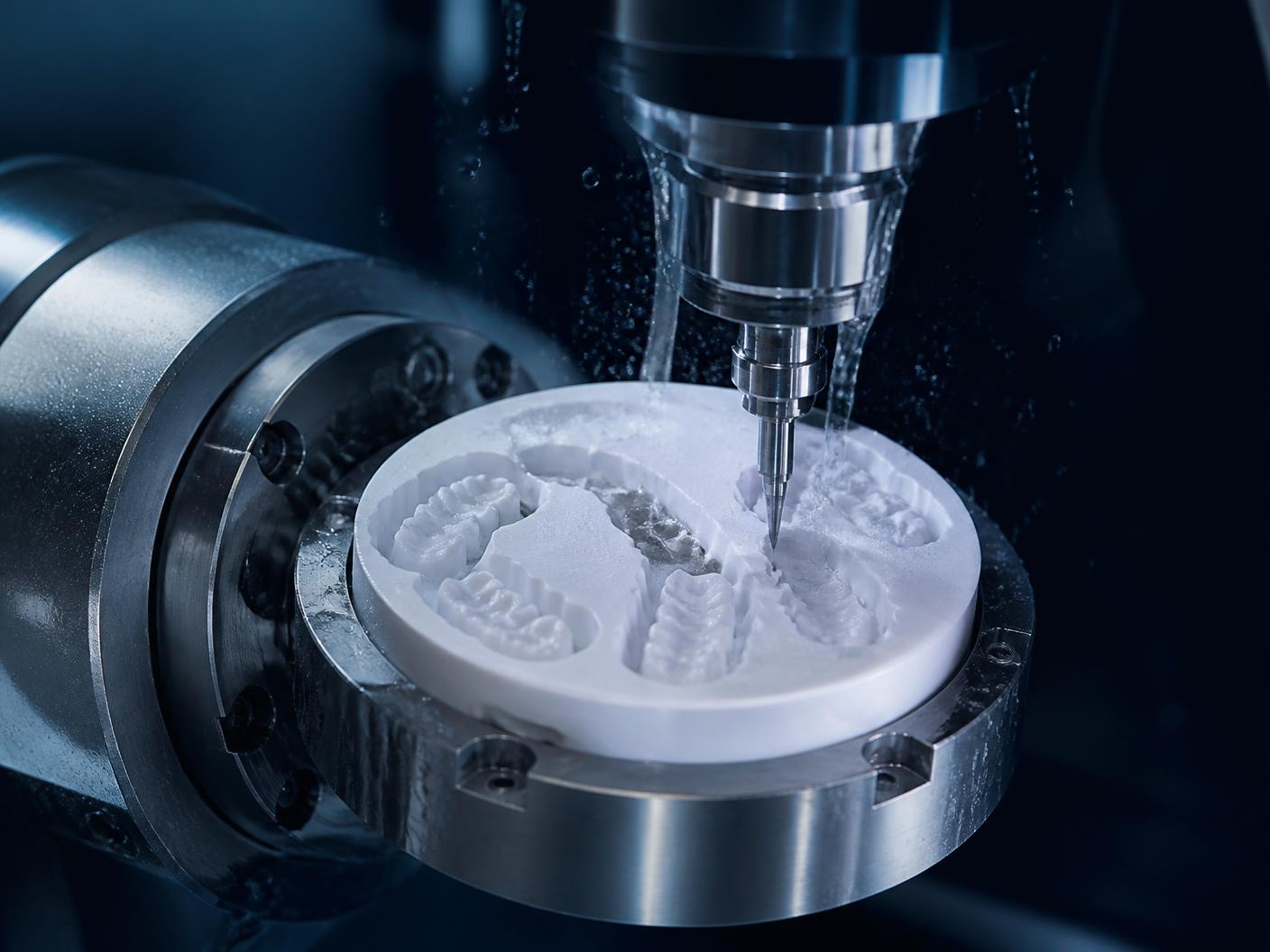
A complete full-arch lab handoff identifies the intended restoration, implant components and arch, supplies readable capture and tissue records, and confirms design approval and scheduling. Agree on case-specific requirements with the laboratory before production starts.
1. State what you want the laboratory to fabricate
Identify the arch and requested restoration, the implant system, planned restorative components and any provisional or surgical-guide requirements. Separate the final-restoration prescription from surgery-day support so the coordinator can confirm the scope of each.
Do not use a website inquiry form as a substitute for a complete laboratory prescription. Megatec’s website form starts a conversation; use the lab’s Rx form and agreed digital submission channel for the case records. Avoid putting identifiable patient records into a general marketing inquiry.
2. Match the records to the requested workflow
Tell the lab which capture system produced the files and how they were exported. Identify the implant-position data and tissue records rather than sending an unlabeled collection. For Megatec’s permanent-restoration workflow, a tissue scan is required.
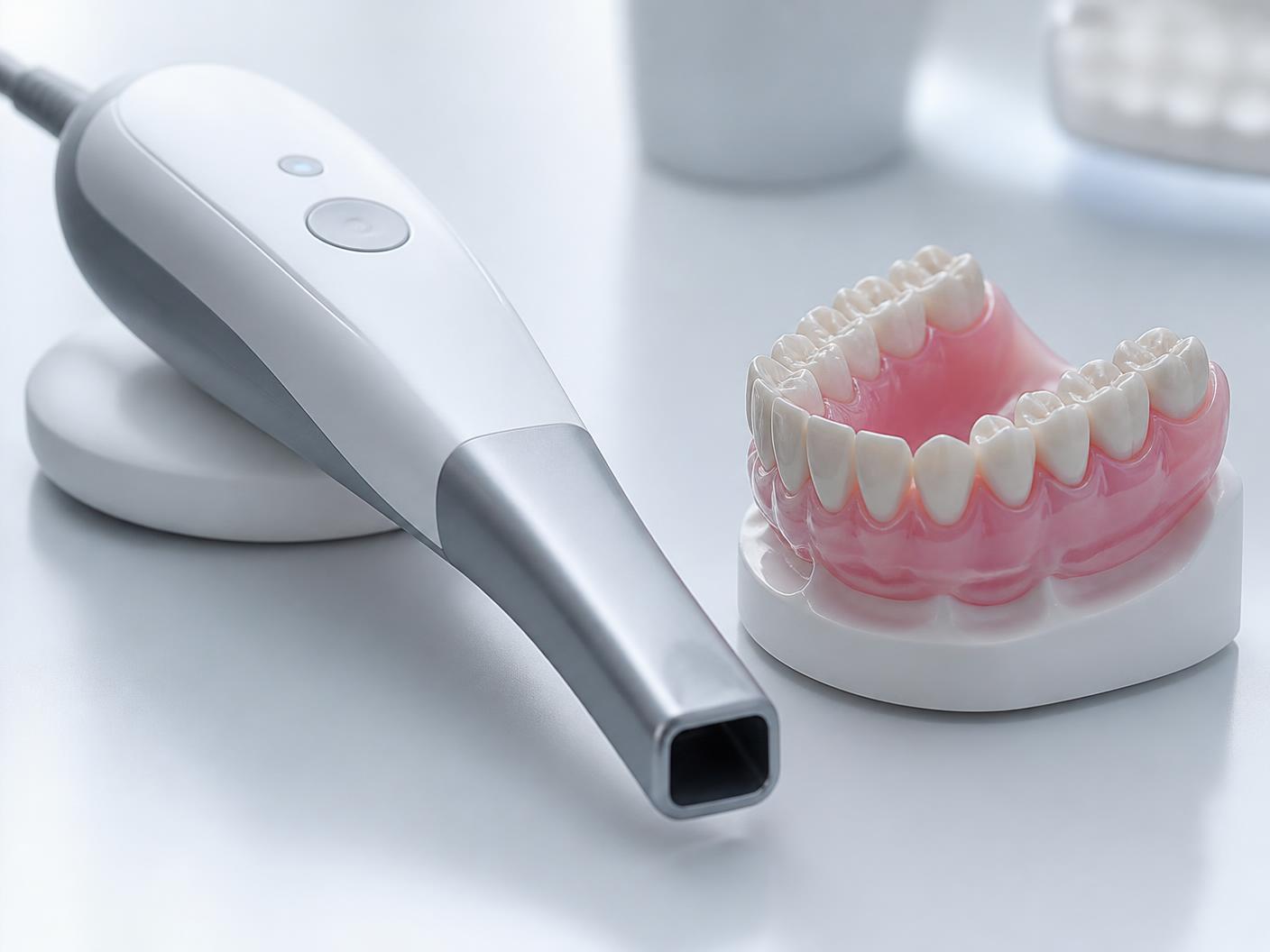
The lab describes acceptance of iTero and TRIOS files alongside iCam4D, PIC and other photogrammetry integration. Scanner connection instructions appear on its digital-impression page. Confirm case-specific file requirements and receipt with the coordinator.
- Label arch, implant sites and component information clearly.
- Confirm the supported export and transfer method.
- Include the required tissue scan and prescription.
- Identify revised files and any uncertain records.
- Confirm the intended submission was received and is readable.
3. Agree on design review and clinical verification
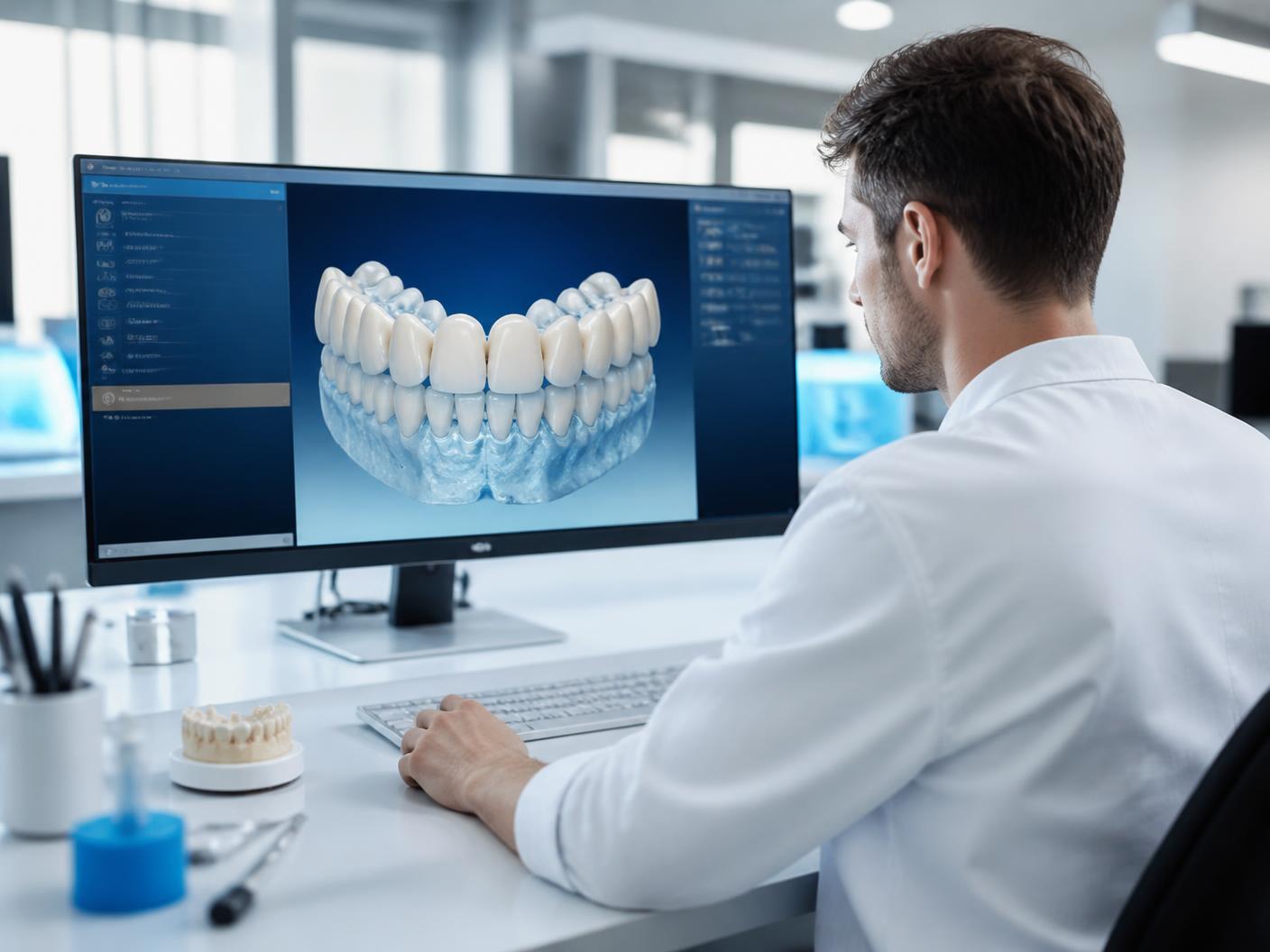
The design stage should make unanswered questions visible. Clarify who approves the proposed design, how revisions will be requested and what must be confirmed before milling. Megatec’s All-on-X offering includes up to two design revisions; discuss the intended design before using that process.
Passive fit is a prosthetic goal, not an outcome established by a digital preview. A systematic review of implant-framework misfit included 92 in-vitro studies and only three in-vivo studies. The limited clinical evidence warrants caution about universal thresholds or claims that one technique prevents all complications. If seating or records raise concerns, pause and coordinate with the lab; clinical verification remains the clinician’s responsibility.
4. Confirm timing before the clinical appointment
Confirm when the records are complete, when design approval is expected and which delivery date the coordinator can support. Digital submission does not automatically mean same-day fabrication or immediate availability.
Megatec offers pre-booked Same-Day Design for immediate in-office PMMA printing on the surgical day. Its resources page also provides the Rx form, shipping-label access and scheduling contacts. Ask the coordinator to confirm the actual sequence and schedule for your case.
- Confirm records are complete before production scheduling.
- Reserve Same-Day Design in advance when needed.
- Agree on design review and approval deadlines.
- Confirm delivery arrangements and the lab contact.
- Resolve any case discrepancy before proceeding clinically.
Sources & further reading
- Implant framework misfit: A systematic review on assessment methods and clinical complications
Predominantly in-vitro evidence; does not establish a universal clinical misfit threshold.
- Megatec doctor resources
Current case submission resources and contact routes.
Educational content from Megatec Dental Laboratory. Company service descriptions are not independent clinical evidence. Individual treatment, verification and maintenance decisions remain with the treating clinician.