Lab partnership
How to Choose a Full-Arch Dental Lab for All-on-X Cases
A dentist’s checklist for choosing a full-arch implant dental lab: digital intake, material design, case coordination, pricing and verification.
Choose a full-arch dental lab by evaluating its case-specific digital intake, restorative design, manufacturing workflow and communication—not price alone. Ask how implant records are checked, how design approval works and what is included before committing to a case.
What does a full-arch implant dental lab do?
A dental laboratory fabricates the prosthesis prescribed by the treating clinician. For an All-on-X case, that means translating the restorative plan and implant records into a full-arch restoration. The laboratory does not replace the surgeon or restorative dentist: diagnosis, implant placement, clinical verification and patient care remain clinical responsibilities.
A useful first conversation separates the lab’s fabrication services from the clinician’s treatment plan. Specify the arch, implant system, restorative components, provisional requirements and intended final prosthesis. Ask which parts of the workflow the laboratory performs in-house and which records it needs before design begins.
Start with the records—not the marketing promise
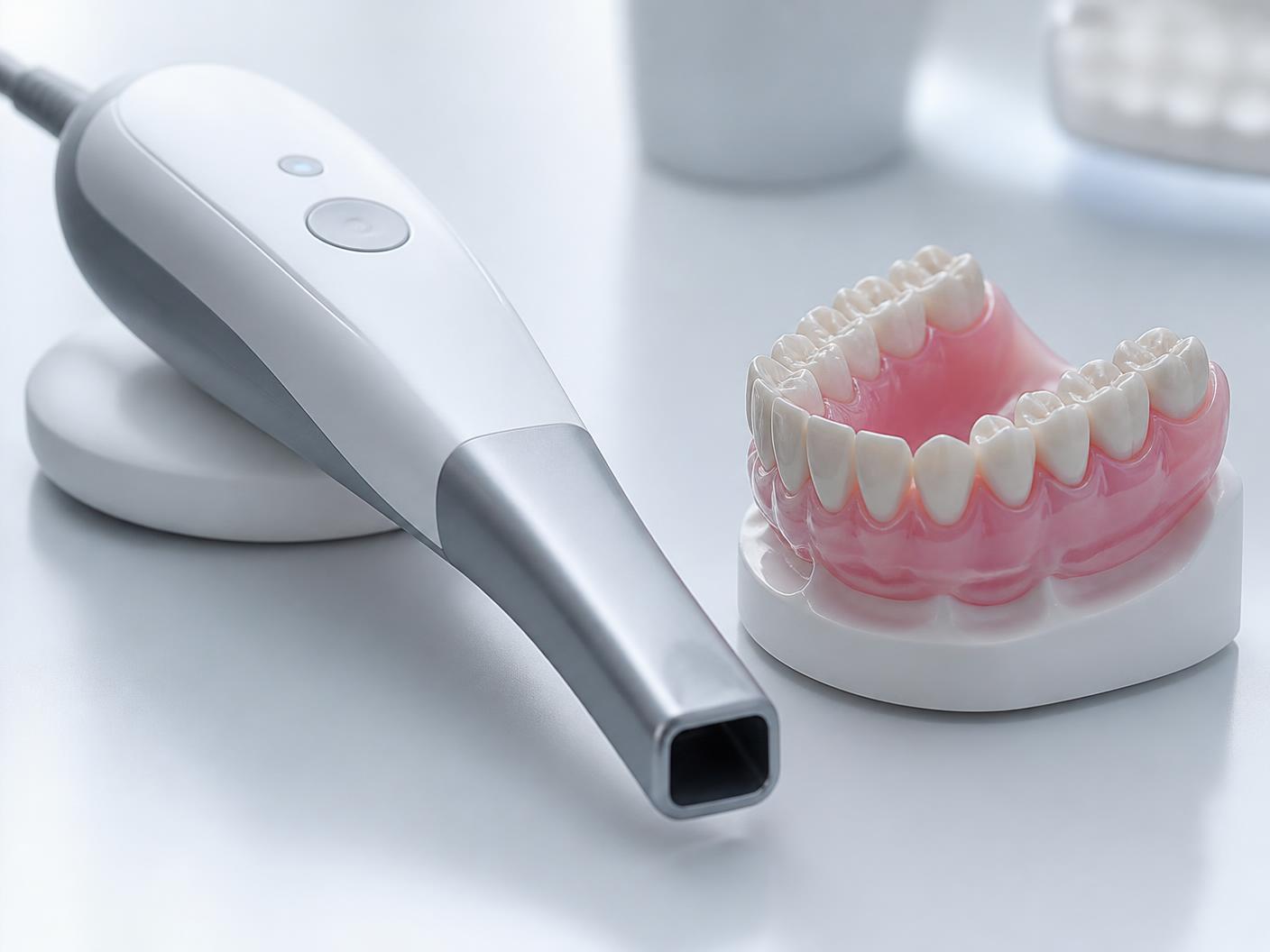
Ask the lab to confirm your capture system and supported file formats. An accepted scanner brand alone does not establish that every export is complete or appropriate for every full-arch case. Implant-position data, tissue information and the restorative prescription have different roles; a clear handoff identifies each.
Megatec describes a TRIOS-ready workflow accepting iTero and TRIOS files, with iCam4D, PIC and other photogrammetry integration. Its permanent-restoration workflow requires a tissue scan. Confirm the case-specific protocol with a coordinator before recording or submitting data.
- Confirm scanner or photogrammetry system and export route.
- Identify implant system, MUA components, sites and arch.
- Include required tissue information and the restorative prescription.
- Flag uncertainty in the records before design begins.
Ask how design approval and fit concerns are handled
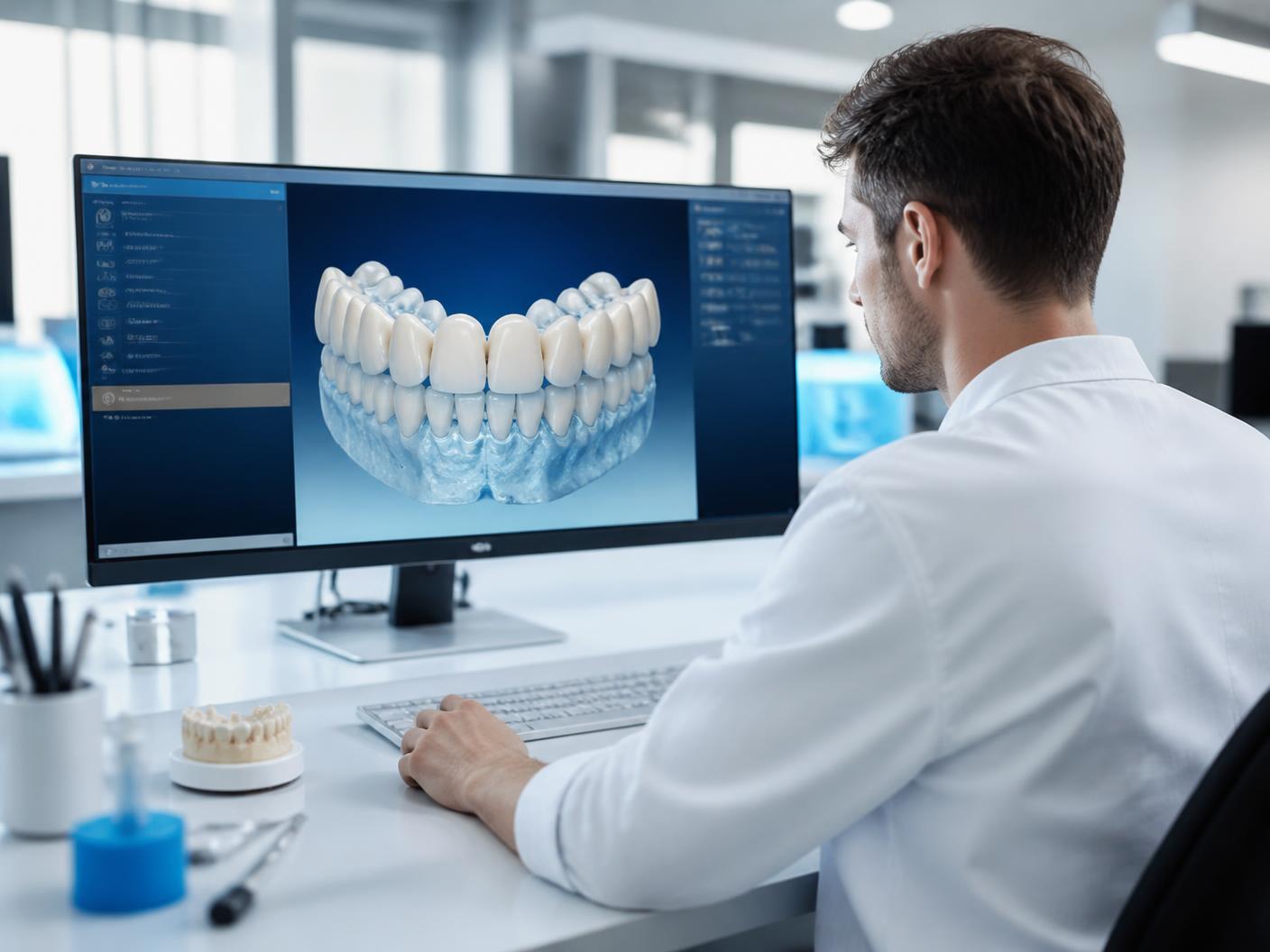
The design conversation should address the planned material, prosthesis configuration, tissue contours and clinical objectives. Ask how proposed designs are shared, who approves them and how changes are documented. Digital design is a tool for collaboration, not a guarantee of clinical seating or long-term performance.
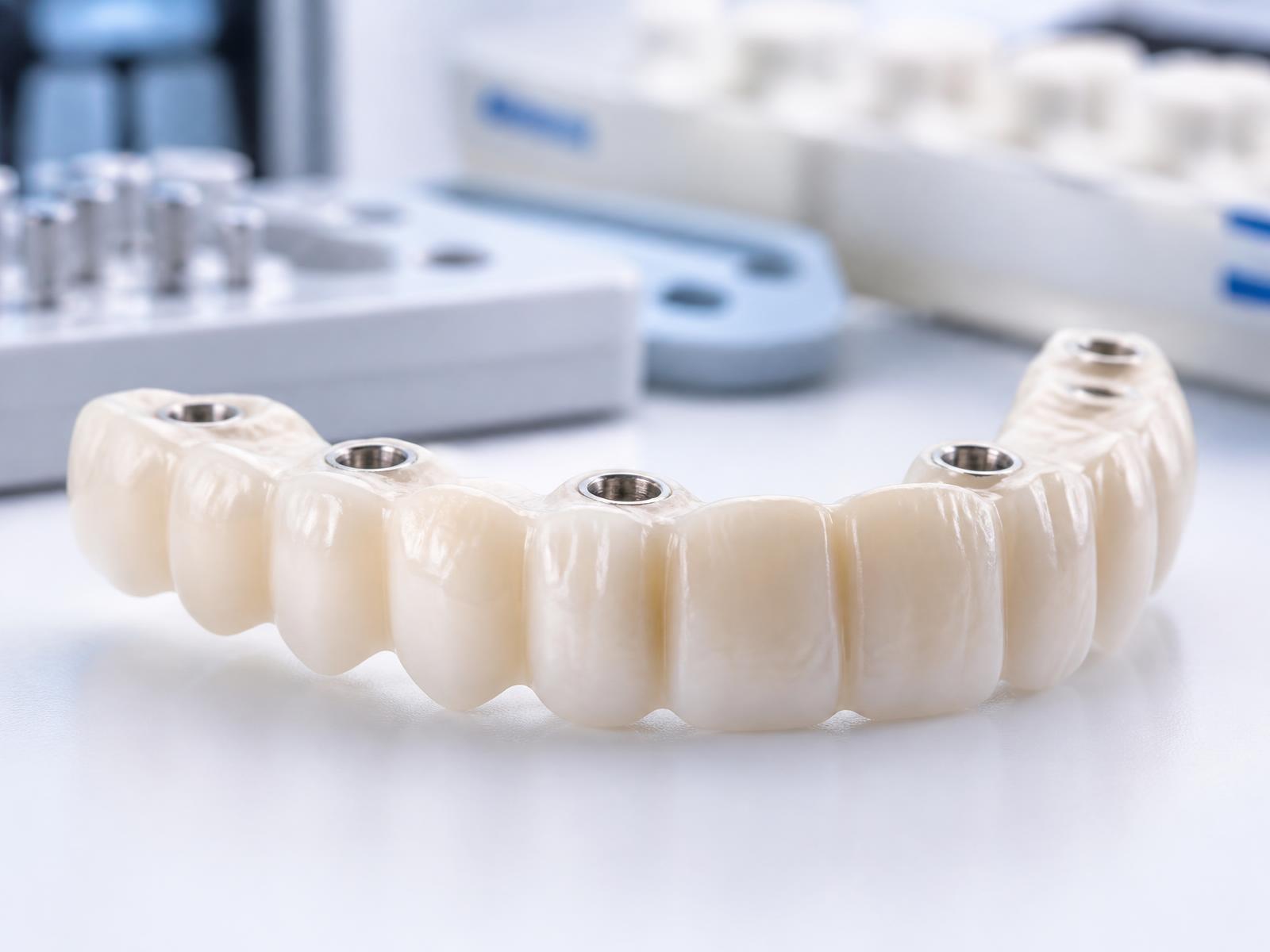
Megatec’s All-on-X service describes monolithic zirconia, direct-to-MUA without a titanium base for up to six sites, final design with up to two revisions and final clinical Uniscrews. Confirm suitability and component details for your individual case rather than assuming one configuration suits every patient.
Compare the lab fee with the same scope of work
A laboratory fee is not the patient’s full implant-treatment fee. Surgery, clinical care and other practice charges are separate. Comparing labs is more meaningful when the quote identifies what is included and what needs separate confirmation.
Megatec lists $1,499 ALL IN for a zirconia case and $3,499 for its Stackable Surgical Guide package. Ask the coordinator to confirm the written scope and schedule before acceptance. Same-Day Design requires pre-booking; do not assume availability based on the service name alone.
- Request a written case-specific scope and quote.
- Confirm design revisions and supplied components.
- Discuss provisional and guide requirements separately.
- Confirm the production schedule before booking delivery.
- Identify a contact for questions, incomplete records and fit concerns.
A practical first-case conversation
Bring one representative case rather than asking only for a fee schedule. Walk through the records you can supply, the design you intend and the clinical checkpoints your team uses. That discussion exposes handoff gaps early and helps both teams decide whether the partnership is appropriate.
Megatec Dental Laboratory is based in Encino, California, and serves dental professionals with full-arch implant restorations made through an in-house digital workflow. Its founder, Erik Nargizian, is described on the lab’s About page as a Master Dental Ceramist with UCLA credentials. Those company details are starting points for due diligence, not substitutes for evaluating a case together.
Sources & further reading
- Megatec All-on-X services
Current laboratory offering and required records.
- Megatec pricing
Listed lab fees; confirm the scope for your case.
- About Erik Nargizian and Megatec
Company background and credentials as described by the laboratory.
Educational content from Megatec Dental Laboratory. Company service descriptions are not independent clinical evidence. Individual treatment, verification and maintenance decisions remain with the treating clinician.